
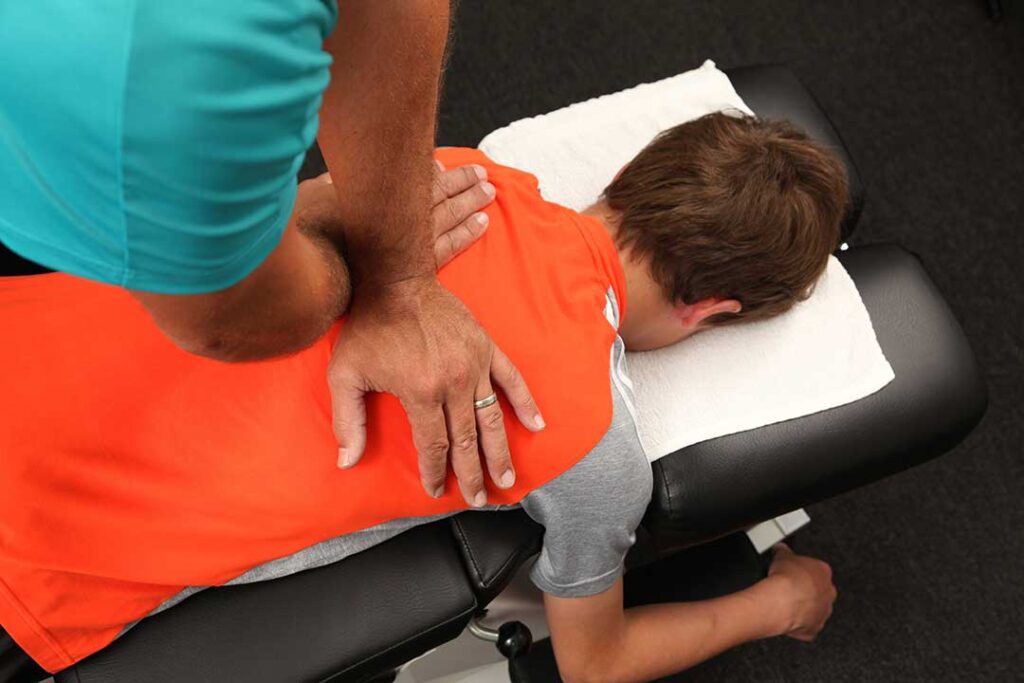
A pinched nerve develops when nearby tissue—such as a spinal disc, bone, muscle, tendon, or swollen joint—puts pressure on a nerve. The result may be pain, tingling, numbness, burning, or weakness in the neck, back, shoulder, arm, hand, hip, or leg. Prevention focuses on reducing prolonged pressure, improving movement habits, and addressing factors that place extra strain on the spine and joints. ([mayoclinic.org](https://www.mayoclinic.org/diseases-conditions/pinched-nerve/symptoms-causes/syc-20354746?utm_source=openai))
What habits help prevent a pinched nerve?
The most useful prevention habits are regular movement, varied posture, gradual strengthening, and avoiding repetitive strain. A nerve is more likely to become irritated when the same position or motion is repeated for long periods without a break.
Helpful daily practices include:
- Change position regularly instead of remaining seated, standing, or lying down for hours.
- Keep frequently used objects within easy reach so the neck, shoulders, and back are not repeatedly twisted or overstretched.
- Use both hands when lifting larger or uneven objects.
- Bend through the hips and knees rather than rounding the low back.
- Keep loads close to the body while carrying them.
- Build activity gradually after a period of inactivity.
These habits can be particularly useful during seasonal tasks such as gardening, home maintenance, moving outdoor furniture, or preparing a household for winter. A sudden increase in lifting, bending, or overhead work can irritate tissues around the spine even when the activity itself seems routine.
How does posture affect nerve pressure?
Posture does not need to be perfectly rigid, but remaining in one position for too long can increase stress on the neck, back, shoulders, hips, or wrists. Good positioning means keeping the body supported and changing positions before discomfort becomes intense.
For desk, reading, or screen-based activities:
- Keep the head generally aligned over the shoulders rather than continuously leaning forward.
- Let the shoulders relax instead of holding them raised.
- Support the lower back if a chair does not provide enough support.
- Keep both feet supported when possible.
- Position screens and reading materials near eye level.
- Take a brief movement break about every 30 to 60 minutes.
For sleep, avoid staying in a position that consistently causes numbness or pain. Side sleepers may benefit from support between the knees, while back sleepers may find support beneath the knees more comfortable. No single sleeping position prevents every pinched nerve, so comfort and symptom response matter.
Can exercise reduce the risk?
Regular strength and flexibility training may help support the spine and improve tolerance for everyday activity. The goal is not to force the body into extreme stretches. Controlled, comfortable movement is generally more useful than aggressive stretching or sudden high-intensity exercise.
A balanced routine may include:
- Walking or another low-impact aerobic activity.
- Gentle mobility exercises for the neck, shoulders, hips, and spine.
- Strengthening for the abdomen, hips, upper back, and legs.
- Stretching that produces mild tension but not sharp, electric, or radiating pain.
People who are new to exercise should increase duration and resistance gradually. Repeatedly pushing through numbness, weakness, or shooting pain can aggravate an irritated nerve and may make it harder to identify the underlying problem.
How can repetitive hand and wrist activity be managed?
Nerve compression is not limited to the neck or back. Repeated wrist, elbow, shoulder, or hand movements can contribute to conditions such as carpal tunnel syndrome or other forms of nerve irritation. Risk may rise with forceful gripping, prolonged wrist bending, vibration, or repetitive assembly and tool use. ([mayoclinic.org](https://www.mayoclinic.org/diseases-conditions/pinched-nerve/symptoms-causes/syc-20354746?utm_source=openai))
To reduce strain:
- Alternate tasks when possible.
- Take short, frequent breaks instead of waiting until the hands hurt.
- Keep wrists as neutral as practical rather than bent sharply upward or downward.
- Avoid gripping tools or objects more tightly than necessary.
- Use larger joints and the whole arm for forceful tasks when appropriate.
- Pay attention to nighttime hand numbness, which can be an early sign of wrist nerve compression.
These principles may matter during home projects, yard work, crafting, food preparation, or other activities that involve repeated hand use.
Does body weight or general health matter?
Body weight, diabetes, thyroid disease, inflammatory arthritis, bone spurs, and other health conditions can increase the likelihood of nerve compression or make symptoms more persistent. Weight management is not a guarantee against a pinched nerve, but maintaining a healthy weight can reduce mechanical stress on the spine and joints. ([mayoclinic.org](https://www.mayoclinic.org/diseases-conditions/pinched-nerve/symptoms-causes/syc-20354746?utm_source=openai))
People with diabetes or thyroid disease should follow their established medical care plan because numbness and tingling can also result from broader nerve problems rather than a single compressed nerve. Persistent symptoms should not automatically be attributed to posture, aging, or a “tight muscle.”
What should someone do if symptoms begin?
At the first sign of mild irritation, reduce the activity that triggered symptoms and use comfortable movement rather than complete bed rest. Short periods of relative rest may help, but staying inactive for too long can worsen stiffness and reduce strength. Gentle walking and pain-free movement are often more appropriate than remaining still all day. ([mayoclinic.org](https://www.mayoclinic.org/diseases-conditions/sciatica/diagnosis-treatment/drc-20377441?utm_source=openai))
Avoid forceful stretching, high-impact exercise, heavy lifting, and repeated twisting until symptoms settle. Cold or heat may provide temporary comfort, but neither addresses every possible cause. Over-the-counter pain medicines may not be safe for everyone, particularly people with kidney disease, ulcers, blood-thinning medication use, pregnancy, or other medical conditions.
A healthcare evaluation is appropriate when pain, numbness, or tingling persists for several days, repeatedly returns, interferes with sleep, or does not improve with basic self-care. Evaluation may help distinguish a pinched nerve from muscle strain, joint problems, circulation issues, peripheral neuropathy, or another condition.
Which symptoms require prompt medical attention?
Seek urgent medical care for sudden or worsening weakness, difficulty walking, loss of coordination, or numbness that spreads quickly. New loss of bladder or bowel control, numbness in the groin or inner thighs, or severe back pain accompanied by leg weakness can signal significant nerve compression.
Emergency evaluation is also warranted when numbness or weakness occurs with facial drooping, trouble speaking, severe dizziness, chest discomfort, or other possible signs of a stroke or serious medical problem. Numbness after a major fall, collision, or other injury should also be assessed promptly. ([medlineplus.gov](https://medlineplus.gov/ency/article/003206.htm?utm_source=openai))
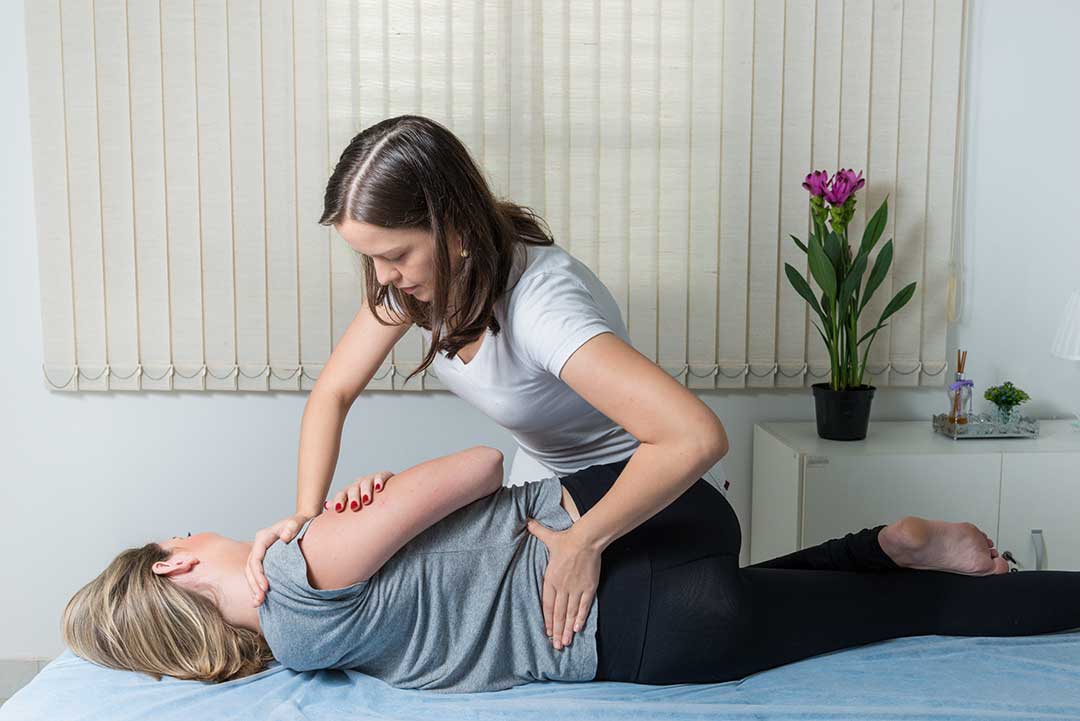
A chiropractor may be part of a coordinated care plan for some mechanical neck, back, or joint-related problems, but persistent numbness, progressive weakness, unexplained symptoms, or serious warning signs require appropriate medical assessment rather than relying on spinal manipulation alone. The safest prevention strategy is to stay active within comfortable limits, vary positions, handle repetitive tasks thoughtfully, and respond early when nerve-related symptoms appear.
