
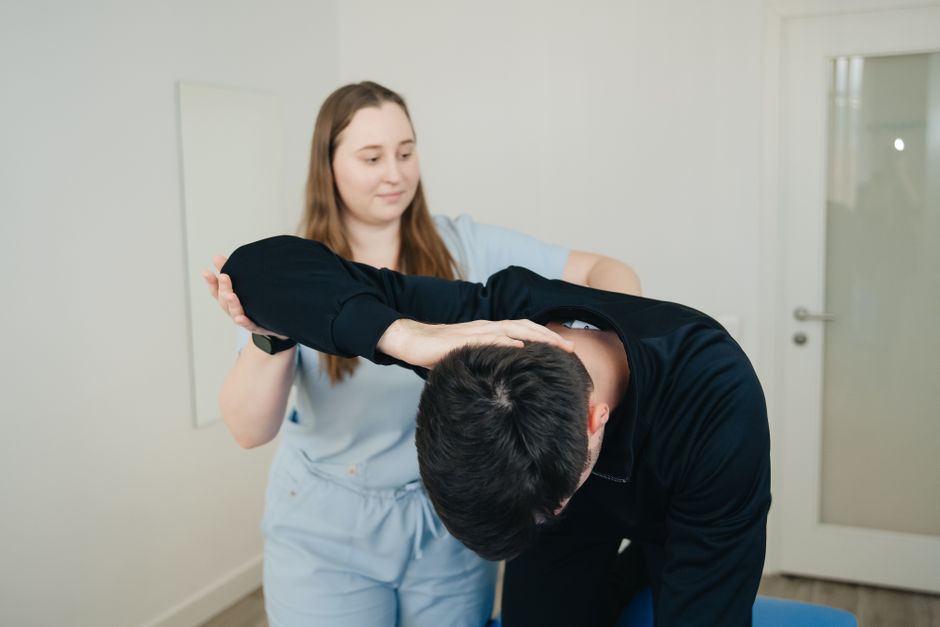
Is soreness after a chiropractic adjustment normal?
Mild soreness, aching, stiffness, or tiredness can occur after a chiropractic adjustment. For many people, these effects are temporary and improve within several hours or by the next day.
Soreness may feel similar to what follows unfamiliar exercise. Muscles and joints that have been guarded, stiff, or working unevenly may respond to a change in movement. The treatment itself may also involve pressure on muscles and connective tissues, which can leave the treated area mildly tender.
A brief increase in discomfort does not automatically mean that an adjustment caused harm. The pattern matters: mild symptoms that steadily improve are generally less concerning than pain that becomes intense, spreads, or continues to worsen.
How long should post-adjustment soreness last?
Most mild soreness after spinal manipulation lasts less than 24 hours. Some people may notice stiffness or tenderness for a day or two, particularly after a first visit, a change in technique, or treatment of an already irritated area.
The expected trend is gradual improvement. A person may feel:
- Tenderness near the back, neck, shoulder, or hip
- Temporary stiffness when getting up or changing position
- Mild fatigue
- A dull ache rather than sharp or electric pain
- A mild headache, especially after neck treatment
Symptoms that remain unchanged beyond a couple of days, become more painful, or interfere with ordinary activities deserve further evaluation. The person who performed the adjustment should be told what happened, including when the soreness began, where it is located, and whether it is improving.
Why can an adjustment cause temporary discomfort?
An adjustment changes how a joint or group of joints moves. Muscles surrounding that area may tighten briefly as the body adapts. If those muscles were already overworked from sitting, lifting, driving, sports, or repetitive household tasks, the adjustment may make existing tenderness more noticeable for a short time.
Other factors can also affect the response:
- The adjustment involved an area that was already inflamed or sensitive.
- The body was not accustomed to manual treatment.
- The person was dehydrated, fatigued, or physically stressed.
- Heavy lifting, strenuous exercise, or prolonged sitting followed the appointment.
- A separate problem, such as a strain, disc irritation, arthritis, or nerve compression, was contributing to the original pain.
Local routines can play a role. Residents managing seasonal yard work, long periods of driving, home maintenance, walking on uneven surfaces, or winter stiffness may have muscles that are already under added demand before treatment begins.
What can help mild soreness at home?
For ordinary, mild soreness, gentle movement is usually more useful than complete bed rest. Short walks, comfortable range-of-motion movements, and changing positions regularly can help prevent additional stiffness.
Other reasonable measures may include:
- Drinking water and eating normally
- Using a warm shower or a wrapped heat pack for muscle tightness
- Applying a wrapped cold pack for a short period if the area feels irritated or swollen
- Avoiding heavy lifting, intense workouts, or repetitive bending for the rest of the day
- Following only the stretches or exercises that were specifically recommended
- Keeping track of whether symptoms are improving, stable, or worsening
Heat and cold affect people differently. A person should stop using either if it increases pain or irritates the skin. Over-the-counter pain medicine may not be appropriate for everyone, particularly those with ulcers, kidney disease, blood-thinning medication, pregnancy, allergies, or other medical conditions. Medication questions are best discussed with a physician or pharmacist.
When is soreness not considered typical?
Severe, rapidly increasing, or unusual symptoms should not be dismissed as normal post-treatment soreness. Seek prompt medical evaluation for:
- New or worsening weakness
- Numbness or tingling that persists or spreads
- Trouble walking, standing, gripping, or coordinating movement
- Loss of bladder or bowel control
- Severe pain after a fall, collision, or other injury
- Chest pain, fainting, or difficulty breathing
- A sudden, severe headache, confusion, vision changes, or difficulty speaking
- Neck pain accompanied by neurological symptoms
These symptoms can have causes unrelated to the adjustment, but they may signal a problem requiring urgent assessment. Sudden neurological symptoms or chest symptoms warrant emergency care rather than waiting to see whether they improve.
Does soreness mean the adjustment “worked”?
No. Soreness is not proof that an adjustment was effective, and the absence of soreness does not mean that treatment had no effect.
A useful response is measured by function and symptoms over time: easier movement, less discomfort, better tolerance for ordinary activities, or improved sleep. Some people feel relief right away. Others notice gradual change. Some experience little difference after a single treatment.
The idea that more force, more cracking sounds, or more soreness produces better results is not reliable. Treatment should be adjusted to the individual’s symptoms, medical history, examination findings, and comfort level.
What should be discussed before another adjustment?
Any unexpected reaction should be reported before further treatment. Useful details include the exact location of soreness, its severity, how long it lasted, whether it traveled into an arm or leg, and whether there was numbness, weakness, headache, or dizziness.
A complete health history also matters. Conditions such as osteoporosis, inflammatory arthritis, recent surgery, fractures, cancer, infection, blood-clotting problems, or significant neurological symptoms may change whether spinal manipulation is appropriate. Prescription medicines and recent injuries should also be disclosed.
A person does not have to tolerate a technique that feels unsafe or excessively painful. Questions about the purpose of treatment, alternatives, expected effects, and warning signs are reasonable before proceeding.
The practical answer for local residents
For someone in Southampton, mild soreness after a chiropractic adjustment can be a normal short-term reaction, especially if it is limited, familiar in character, and improving within 24 hours. Gentle activity, hydration, and avoiding strenuous work for the rest of the day may help.
Soreness that is severe, progressive, persistent, or accompanied by weakness, numbness, loss of coordination, or other concerning symptoms is different. In that situation, further evaluation is more important than assuming the discomfort is simply part of the adjustment.
