
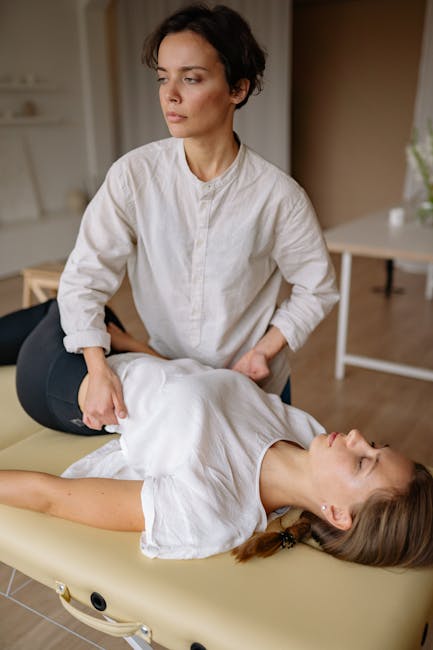
As residents of Southampton, New York, we enjoy a unique blend of small-town charm, picturesque Atlantic beaches, and a vibrant community lifestyle that stretches from hiking in the Southampton woods to cozy evenings at home. While life on the East End offers many rewards, our daily habits—especially those connected to our posture—can have significant and often overlooked effects on our overall health. Whether you’re working remotely overlooking Agawam Park, spending long hours in your car commuting up Montauk Highway, or just relaxing along Cooper’s Beach, paying attention to your posture is more important than ever.
What Is Poor Posture?
Poor posture refers to the habitual positioning of your body that, over time, places undue strain on muscles, joints, and the spine. Common postural issues include slouching, forward head posture (where the head juts in front of the shoulders), rounded shoulders, and excessive arching or flatness in the lower back. In the modern world—particularly in a place like Southampton, where remote work and leisure often intersect—these issues are increasingly common.
The Hidden Health Risks of Poor Posture
Most people associate posture with appearance, but its impact goes much deeper. Here’s how poor posture can silently undermine your health:
- Musculoskeletal Pain: Sitting or standing incorrectly places continuous strain on your neck, shoulders, and back. This can lead to chronic pain conditions, tension headaches, and even increased risk of injury during daily activities like gardening or walking the Southampton boardwalk.
- Reduced Lung Function: Slouching compresses your lungs and limits their capacity, potentially leaving you feeling fatigued or short of breath—even during a casual stroll down Main Street.
- Digestive Issues: Poor posture, especially slumping after meals, can interfere with the digestive process, leading to problems like acid reflux, constipation, or bloating.
- Impaired Circulation: Sitting for long hours with poor posture can impede blood flow, especially to your legs, increasing your risk of varicose veins or even deep vein thrombosis (DVT).
- Impact on Mood and Energy: Studies have linked slouched posture with lower mood, decreased energy, and even a higher risk of anxiety and depression—all significant factors for overall wellbeing.
Local Lifestyle Factors: How Southampton Habits Contribute
Southampton’s unique setting influences how posture affects health:
- Remote Workstations: With more people working from home, especially in our picturesque, sometimes informal home offices, improper desk setups are prevalent. Sofas, kitchen counters, and even patio chairs can encourage poor ergonomic positions.
- Active Lifestyles: Whether it’s biking along Meadow Lane, paddling on the Peconic Bay, or tending home gardens, physical activities without proper warmup and mindful posture can lead to repetitive strain injuries.
- Seasonal Shifts: Harsh winters and humid summers might encourage less-active indoor routines or hunching shoulders against the cold while walking oceanfront trails.
Warning Signs: Is Poor Posture Affecting You?
Are you experiencing any of the following?
- Regularly aching or stiff neck, shoulders, or lower back
- Headaches that seem unrelated to other medical issues
- Fatigue that lingers despite restful sleep
- Numbness or tingling in arms or legs when sitting
- Slouched or rounded appearance in photos
If so, your posture could be to blame—and correcting it may lead to an overall health improvement.
Long-Term Consequences of Ignoring Posture
Unchecked, chronic poor posture can cause:
- Degenerative Joint Disease: Misalignment accelerates wear and tear of the spine and joints, hastening conditions like osteoarthritis.
- Nerve Compression: Nerves exiting the spine can be pinched, causing pain, weakness, or tingling that may radiate into your limbs.
- Limited Mobility: Over time, muscles become shortened and joints stiffened, reducing your ability to move freely—a significant problem as we age.
Tips to Improve Your Posture in Southampton
Integrating good posture into daily life is achievable:
- Set Up Your Space: Ensure desks and chairs at home are adjustable. Screens should be at eye level, and feet flat on the floor. Consider ergonomic accessories.
- Take Regular Breaks: Whether in the office or at Schmidt’s for lunch, get up and stretch every 30-60 minutes. Walk around the block or do a couple of gentle yoga stretches.
- Exercise Mindfully: Focus on core-strengthening exercises like Pilates or swimming at the Southampton Recreation Center. Strong core muscles support the spine and help maintain posture.
- Be Tech-Savvy: Avoid “text neck” by holding your phone or tablet at chest or eye level instead of bending your neck downward.
- See a Professional: Regular check-ups with a local chiropractor or physical therapist can identify imbalances and tailor posture-improvement plans.
Conclusion: Take Control of Your Postural Health
While it’s easy to overlook, the impact of posture on your health is profound. In a community as vibrant as Southampton, we owe it to ourselves to nurture our health so we can fully embrace everything our town offers—from sunrise jogs along the dunes to evenings at cultural events. By staying mindful of your posture and taking proactive steps, you can protect your body, elevate your mood, and enjoy a healthier, more active lifestyle on the East End.
If you’re experiencing symptoms related to poor posture or want guidance on creating a healthier setup for your unique Southampton lifestyle, seeking professional insight is a wise next step. Remember, great posture isn’t just about looking confident—it’s the foundation of lasting health.
