
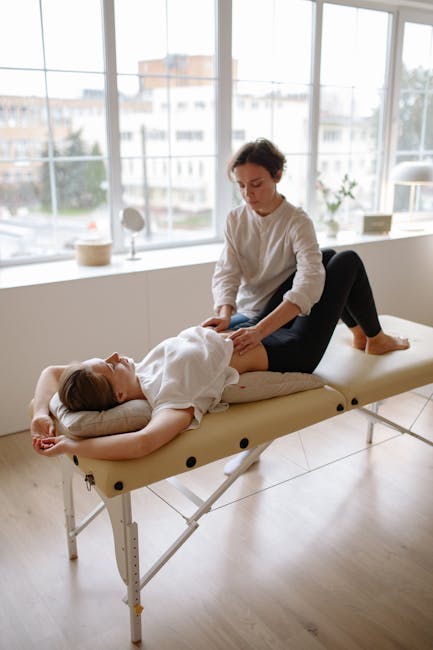
If you’ve ever experienced a popping or clicking sound in your shoulder, you’re not alone. Many residents and visitors in Southampton, New York notice shoulder sounds when casting a line off the dock, swinging a tennis racquet at the Shinnecock Yacht Club, or simply reaching into the top shelf of their beach house pantry. While some degree of shoulder popping is normal, persistent or painful noises can indicate underlying issues that should not be ignored. In this blog, we’ll explore what causes your shoulder to pop and what you can do to resolve it—so you can continue enjoying the vibrant, active lifestyle of Southampton with peace of mind.
Why Does My Shoulder Pop? Normal vs. Concerning Causes
*The shoulder is a highly mobile, complex joint, which makes it especially susceptible to noises like popping, clicking, or snapping.* There are several possible reasons for these sounds, and understanding them is the first step to finding relief.
Normal Shoulder Popping:
- Gas bubbles in the synovial fluid can form and burst, resulting in harmless popping sounds similar to cracking your knuckles.
- Tendons moving over bony structures, especially during certain movements, can lead to occasional clicks without discomfort or pain.
When Shoulder Popping Signals a Problem:
If the popping is accompanied by pain, weakness, or limited mobility, it could be a sign of something more serious, such as:
- Rotator cuff injuries
- Labral tears
- Shoulder impingement
- Arthritis or degenerative changes
- Loose or unstable joints
Most Common Causes of Shoulder Popping in Southampton
1. Overuse from Sports and Recreation
From sailing and kayaking on Mecox Bay to enjoying a round of golf at the Southampton Golf Club, locals remain active year-round. Repetitive overhead actions—especially tennis, swimming, or pickleball—can strain the rotator cuff or irritate the shoulder bursa, leading to popping, snapping, or grinding sensations.
Competitive athletes and weekend warriors alike are at increased risk for overuse-related shoulder conditions, especially if their activities lack proper warm-up or technique.
2. Past Injuries and Scar Tissue
Southampton’s icy winters and busy summers mean slips, falls, or past injuries are common. Even a minor shoulder sprain or dislocation from years ago can leave behind scar tissue or create instability in the joint, which might manifest as popping years later.
3. Anatomical Variations
Some people are naturally double-jointed or have looser shoulder ligaments. This extra mobility can allow for “subluxations” or partial dislocations, resulting in popping or clicking when the joint shifts out slightly and then back into place.
4. Age-Related Degeneration
Active retirees and long-time Southampton residents may notice new sounds coming from their shoulders. Changes in cartilage, bone spurs, or joint wear and tear (osteoarthritis) can all contribute to noisy joints that are sometimes accompanied by stiffness or soreness.
When Should I Worry About Shoulder Popping?
While an occasional pop without pain is usually no cause for concern, you should pay attention if:
- The popping is accompanied by sharp pain, weakness, or swelling.
- Your shoulder feels unstable or may “give out” during activity.
- You experience night pain or difficulty sleeping on the affected side.
- Activities of daily living (like dressing or reaching) are becoming difficult.
Ignoring these symptoms can lead to chronic pain and further joint damage, impacting your ability to enjoy Southampton’s beautiful parks, waterfronts, and community activities.
Solutions: How to Stop Your Shoulder from Popping
1. Rest and Activity Modification
If you notice popping after new activities—such as gardening at your Hamptons home or ramping up your exercise routine—take a break and allow your shoulder to rest. Avoid movements that trigger the sound or pain.
2. Improve Posture and Ergonomics
Poor posture, particularly during long drives on Route 27 or hours spent on your laptop, can put extra stress on your shoulder joint. Slight adjustments like keeping your shoulders back and chin level can reduce unnecessary strain.
3. Strengthening and Flexibility Exercises
A physical therapist or chiropractor can design a customized exercise program to target weaknesses and improve mobility. Focus on:
- Rotator cuff strengthening
- Scapular (shoulder blade) stabilization
- Gentle stretching of the chest and shoulder muscles
Tip: Local gyms or fitness studios in Southampton often host yoga and pilates classes focused on joint mobility and injury prevention.
4. Addressing Underlying Injuries
Persistent or painful popping should be evaluated by a healthcare provider. Diagnostic imaging (like MRI or ultrasound) might be recommended to rule out structural injuries.
Treatments may include:
- Physical therapy
- Anti-inflammatory medications (if prescribed)
- Manual therapies or adjustments
- In more serious cases, a referral to an orthopedic specialist
5. Consider Lifestyle Factors
Stay aware of your overall health:
- Maintain a healthy weight to reduce excess load on your joints.
- Incorporate a diet rich in anti-inflammatory foods (think fresh produce from local Southampton farmers markets!).
- Avoid smoking and excessive alcohol, which can delay tissue healing.
Frequently Asked Questions
Is shoulder popping ever serious?
It can be, especially when paired with pain, weakness, or instability. When in doubt, seek a professional evaluation.
Can I still exercise with a popping shoulder?
If the shoulder popping is painless and doesn’t restrict movement, gentle exercise is usually safe. Avoid activities that aggravate your symptoms.
Should I try home remedies or see a chiropractor first?
Rest, ice, and gentle stretches can help mild cases. If problems persist, or if you’re experiencing pain, prompt assessment by a Southampton chiropractor or healthcare provider is wise.
Conclusion
Shoulder popping in Southampton can be a normal part of an active lifestyle, but it’s important to listen to your body and address any ongoing or painful symptoms. By staying informed and proactive, you can keep your shoulders healthy and ready for all of life’s adventures—whether you’re embracing a summer paddleboard session or simply enjoying the local cuisine and scenery.
If you need further guidance, don’t hesitate to seek help from qualified professionals in your community. Early intervention is the key to long-term function and comfort!
