
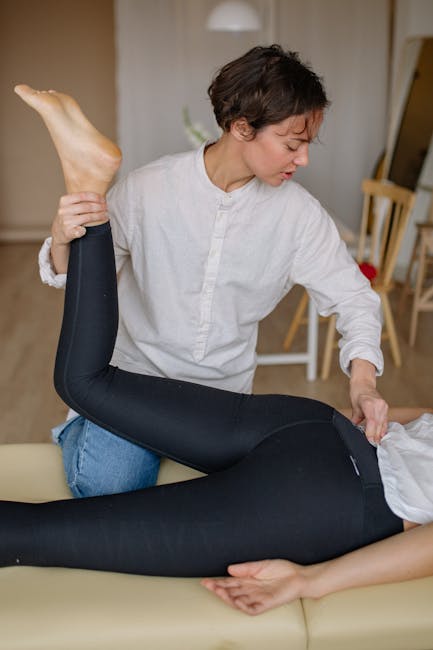
Living in Southampton, NY means embracing an active lifestyle, whether you're walking along the beaches, enjoying outdoor sports, or tending to the garden. With this activity often comes the occasional urge — or even habit — to "crack" your knuckles, back, or other joints. It's a common action for many, but what’s really happening when you hear that familiar pop? And is it something Southampton residents should be concerned about? Here’s a comprehensive look at the truth behind joint cracking.
What Causes the “Crack” When You Move Your Joints?
Many people believe that cracking your joints is caused by bones rubbing or snapping against each other. In reality, the sound is almost always related to the synovial fluid that lubricates your joints. This fluid contains gases such as oxygen, nitrogen, and carbon dioxide. When you stretch or bend your joint, you create negative pressure within the joint capsule, causing these gases to rapidly form bubbles and then collapse — producing that familiar popping sound.
The process is technically called “cavitation,” and it’s a normal part of joint movement.
Is Cracking Your Joints Harmful?
A common question I get at my Southampton chiropractic clinic is whether joint cracking can hurt your joints or lead to conditions like arthritis. The short answer: there’s currently no clinical evidence linking habitual joint cracking with an increased risk of arthritis.
Studies have shown that:
- Cracking your joints does not cause arthritis.
- There is no proven link between joint cracking and joint damage.
- Habitual knuckle popping won't make your fingers grow larger or straighter.
However, if cracking your joints is accompanied by pain, swelling, or decreased mobility, it could indicate an underlying health issue that does require professional attention.
Why Do We Feel Relief After Cracking Our Joints?
Many locals in Southampton, whether after a day on the golf course or hours tending to a backyard garden, may feel temporary relief after stretching and cracking their joints. This sensation isn’t harmful; in fact, it’s simply a brief change in pressure within the joint and likely a result of endorphin release.
After a pop, the joint won’t “crack” again until the gas bubbles have time to re-dissolve into the synovial fluid. This is why you can’t immediately repeat the same motion for another pop.
When Should You Be Concerned About Joint Noises?
While the occasional “crack” or “pop” is generally normal, Southampton residents should stay alert for warning signs, including:
- Persistent pain or tenderness in the joint
- Visible swelling or redness
- Locking or instability in a joint
- Recent injury followed by joint noises
If you experience any of these symptoms, you should consult a healthcare provider or qualified chiropractor. These symptoms can sometimes point to joint or soft tissue injuries that need attention — particularly if you lead an active lifestyle near the Hamptons’ coast or engage in popular local sports.
The Role of Joint Health in an Active Southampton Lifestyle
In Southampton, where outdoor activities, golf, tennis, and even traditional clamming or fishing are common hobbies, joint health is vital. Joint cracking by itself is typically harmless, but optimal joint function depends on:
- Regular movement and stretching
- Strengthening surrounding muscles
- Proper hydration
- Healthy nutrition (think fresh produce from weekly farmers markets)
Paying attention to your body’s signals during activities can help prevent injury and encourage long-term musculoskeletal health — a priority for those who want to enjoy the best that the East End has to offer.
Should You Try to Crack Your Own Back or Neck?
While cracking your own knuckles may be harmless, it’s not recommended to forcefully twist or stretch your back or neck. Forceful manipulation, especially in the neck, can strain ligaments or, rarely, injure nerves or blood vessels.
If you feel persistent tension in your back or neck, especially after a drive around Old Town or a day of boating in Shinnecock Bay, consider gentle stretching or see a licensed chiropractor for a professional assessment and safe, controlled adjustments.
Myths About Joint Cracking: What Southampton Residents Should Know
Let’s address some common misconceptions:
*Cracking your joints does not cause arthritis.*
Multiple studies debunk this longstanding myth. If you’re prone to joint cracking, there’s no evidence it will permanently damage your joints.
*Joint cracking doesn’t increase joint size.*
Despite what you may have heard, knuckle poppers don’t develop larger knuckles as a result of the habit.
*Joint noises don’t always indicate problems.*
Other joint sounds, like creaking or grating (crepitus) common amongst older adults in Southampton, are usually related to wear-and-tear rather than cracking. Unless it’s painful, it rarely signals a serious problem.
When to See a Chiropractor in Southampton
If joint noises are the only symptom you experience, there’s typically no cause for concern. However, visit a local chiropractor or healthcare provider if you notice:
- Ongoing discomfort with movement
- Joint stiffness that limits daily activities
- Associated swelling or other signs of inflammation
In the wellness-focused community of Southampton, regular chiropractic care can help maintain joint mobility, support overall health, and keep you active on the tennis courts or exploring the town’s scenic paths.
Final Thoughts
Cracking your joints is a normal and generally harmless phenomenon. For Southampton residents leading active, outdoor lifestyles, understanding what’s normal — and what isn’t — helps you make informed decisions about your musculoskeletal health. Listen to your body, maintain regular physical activity, and when in doubt, consult with a professional to stay comfortable and thriving in our beautiful coastal community.
